
Barn Wedding Attire: Clear Guest Guidance for Mountain View Menagerie

The best approach to barn wedding attire is polished comfort: outfits that look refined in photographs but hold up on grass, gravel, and wood floors, with layers ready for cooler evenings. At our venue in Johnstown, Colorado, October days often reach the low to mid-60s while nighttime temperatures drop near freezing, so dressing in layers matters as much as dressing well.
TL;DR:
Sturdy footwear such as block heels, wedges, or boots are recommended for both guests and wedding parties to navigate grass, gravel, and barn flooring comfortably.
Layering clothing is essential for October outdoor weddings in Johnstown, where daytime highs reach the low to mid-60s, but nighttime temperatures can approach freezing.
Attire should balance seasonality and venue surfaces, with shorter, breathable dresses and detachable sleeves for brides, and earth tones with sturdy shoes for guests.
Planning quick changes like shoe swaps or layer adjustments is crucial when moving from outdoor ceremonies to indoor receptions to maintain comfort and style.
Clear communication via a wedding website about dress code and venue surfaces helps guests select appropriate outfits, with specific advice to avoid stilettos and white dresses.
Dressing the couple for style and practicality
Choosing your own wedding-day attire comes down to matching the season and anticipating the surfaces you will walk on, from a grassy aisle to a barn’s wooden floor. Warmer months call for breathable linens, cotton blends, and lightweight chiffon that move easily and resist wrinkling in the heat. Cooler months favor tweed, wool blends, and heavier satin that hold their shape and add warmth without bulk, a seasonal approach echoed in general outdoor wedding styling guidance.
For brides, a few practical choices make a noticeable difference:
Hem length: Tea-length or adjustable hems keep fabric off grass and dirt, which simplifies walking on uneven ground.
Sleeves and coverage: Detachable sleeves or a cape add warmth for an evening ceremony, then come off for dancing.
Footwear: Boots or block heels offer more stability on barn floors and outdoor paths than traditional heels.
Reception changes: A shorter second dress or jumpsuit makes dancing and mingling easier once formal photos are finished.
Grooms benefit from similar thinking. A medium-weight wool or tweed suit works across both indoor and outdoor portions of the day, and leather boots or sturdy oxfords hold up better than smooth-soled dress shoes on grass or gravel. Layering a vest or light jacket allows for easy adjustment as the temperature shifts between ceremony and reception.
Planning your outfits around the venue’s indoor and outdoor spaces also helps you map out quick changes. If your ceremony takes place outdoors and your reception moves inside, build a few minutes into the timeline for a shoe swap or layer change.
Pro Tip: Pack a small bag with your reception shoes and any layers so you are not searching for them between events.

Wedding party attire built for comfort and mobility
Your bridesmaids and groomsmen will be standing, walking, and dancing for hours, so their attire should prioritize mobility as much as style — for more ideas, see wedding proposal ideas that wow. The goal is a cohesive look that still gives each person room to move comfortably across grass, gravel, and barn flooring.
Hemlines and fabric: Midi or tea-length dresses in breathable fabrics balance formality with ease of movement.
Footwear: Block heels, wedges, or ankle boots offer better footing than stilettos and photograph just as well in rustic settings.
Color and texture: Earthy tones, soft florals, and natural textures like linen or velvet (depending on season) complement a barn’s wood and stone backdrop.
Comfort-first policies: Letting your party choose their own shoes within a color guideline, or offering a backup flat option, keeps everyone comfortable without sacrificing the overall look.
Building in a short window before formal photos, even ten or fifteen minutes, gives your party time to swap shoes or simply catch their breath before the next round of pictures.
Pro Tip: Ask each wedding party member to test their shoes on grass or gravel beforehand so nobody discovers a problem on the day itself.
Guest attire by dress code and season
Guests often hesitate over what counts as appropriate for a barn wedding, and a little context goes a long way. When a dress code is not specified, general wedding etiquette guidance recommends leaning toward semi-formal or cocktail attire rather than defaulting to casual clothing.
Casual: Sundresses or skirts with sandals for women, and chinos with a button-down for men, work well for daytime or warm-season events.
Semi-formal: A midi dress with wedges or block heels pairs naturally with a barn setting, while men can wear a suit or sport coat with boots instead of dress shoes.
Formal: Floor-length dresses or cocktail dresses in richer fabrics suit an evening barn wedding, paired with a suit or tuxedo for men, still with sturdier footwear in mind.
Cool-season adjustment: Add a shawl, blazer, or light coat as an outer layer, since Johnstown evenings can turn cold quickly even after a mild afternoon.
A few things are worth avoiding altogether: jeans unless specifically invited, anything white or that could be mistaken for bridal attire, and stiletto heels that sink into grass or catch on wood flooring. For a quick example, a woman might choose a knee-length dress with ankle boots and a light cardigan, while a man might pair a navy suit with brown leather boots and a sweater layer underneath his jacket.
Footwear, layers, and a small emergency kit
Footwear makes or breaks comfort at a barn wedding, since the day typically covers grass, gravel, and interior wood floors in the same few hours. Wedding attire guidance from The Knot specifically discourages stilettos for outdoor or rustic settings, pointing instead to block heels, wedges, polished flats, or boots that offer stability without sacrificing style.

October days in Johnstown average highs in the low to mid-60s with lows near freezing after dark, which means a layer you can add or remove matters as much as the shoes you choose, according to historic weather data.
A short checklist helps everyone stay ahead of the weather:
Outer layer: A shawl, blazer, or light jacket for the drop in temperature after sunset.
Backup shoes: A second, simpler pair for dancing once formal photos are done.
Small repair kit: Safety pins, fashion tape, and blister pads for last-minute fixes.
Hand warmers: A practical addition for late fall or early spring evenings.
If you are touring a barn venue, it is worth asking directly about coat storage or a designated spot for guests to leave jackets and extra shoes during the reception.
What to tell your guests about attire
Clear, upfront communication removes most of the guesswork around barn wedding attire, and a wedding website is usually the easiest place to share it. A short note alongside your dress code gives guests enough detail to plan without overthinking it.
A few examples you can adapt directly:
“Semi-formal attire requested. Ceremony is on the lawn and reception is in the barn, so we recommend wedges or boots over heels.”
“Dress code: country formal. Evenings cool off quickly, so bring a light jacket or wrap.”
“Casual and comfortable. Think sundresses with flats or chinos with boots, since part of the evening is outdoors.”
“Cocktail attire welcome, with block heels or flats suggested for grass and barn flooring.”
Publishing this detail on your wedding website, rather than a printed insert, makes it easy to update as your plans firm up. If you are still deciding on a venue, viewing a gallery or scheduling a tour can help you picture exactly which surfaces and spaces your guests will experience, and it is worth asking any venue you visit about cloakroom or coat-check options for colder months.
How Mountain View Menagerie makes attire planning simpler
Choosing attire is easier when you already know what the space looks like, and that is one advantage of touring our barn before you finalize your guest communication. We include decorations and seating arrangements as part of our packages, so you can picture the backdrop, wood tones, and lighting your wedding party and guests will be photographed against. We offer customizable indoor and outdoor ceremony options, so you can plan attire guidance around the spaces your guests will move through that day.
Included décor and seating take one layer of guesswork out of styling your day.
Indoor and outdoor ceremony flexibility lets you tailor attire notes to your actual layout.
We host only one wedding per day, allowing focused attention during your tour and planning time.
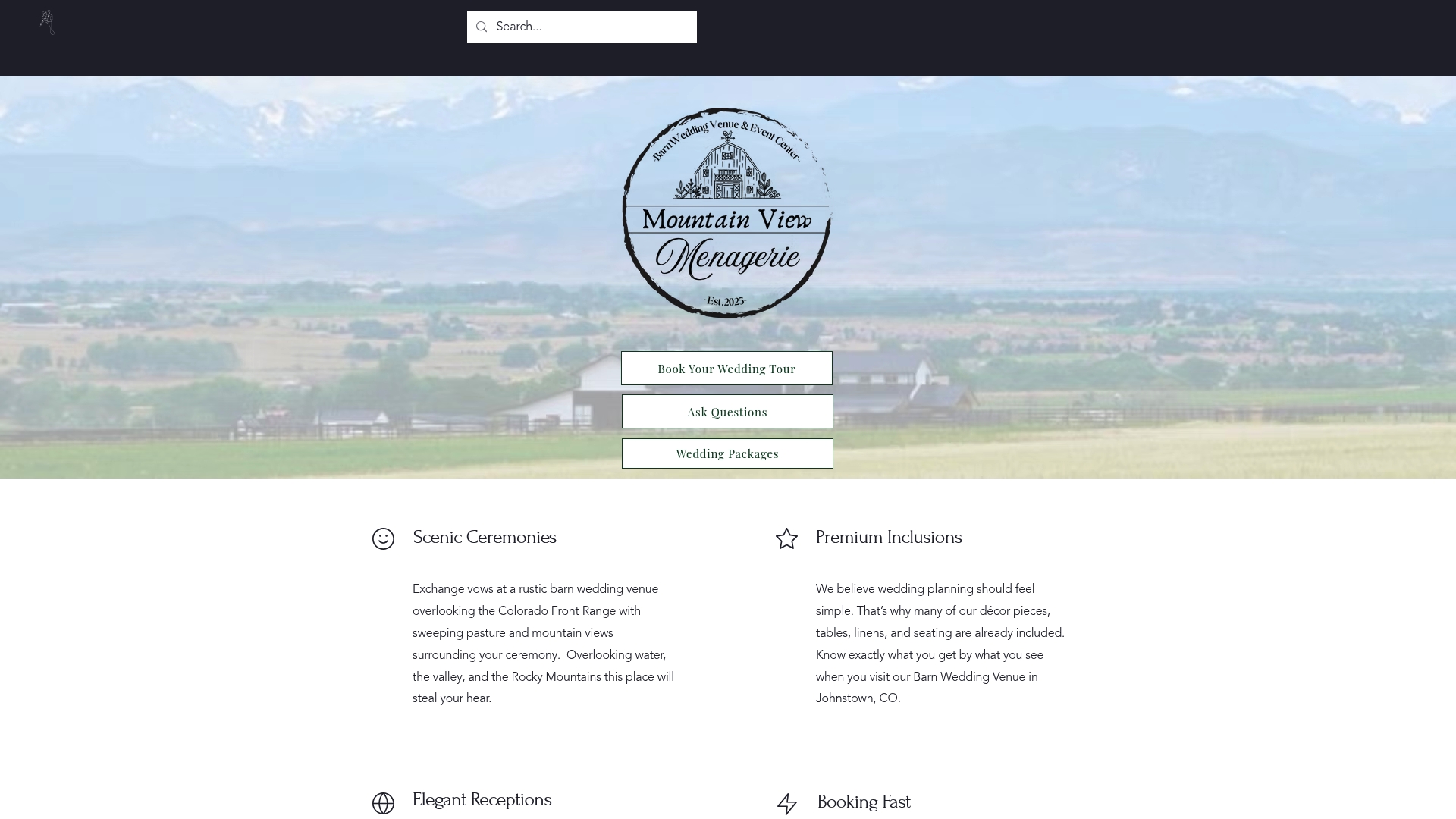
If you are ready to see how our barn and grounds might shape your own attire guidance, browse our wedding packages or schedule a tour to walk the space yourself.
FAQ
What should guests avoid wearing to a barn wedding?
Guests should avoid jeans unless specifically invited, white or bridal-style dresses, and stiletto heels, since thin heels tend to sink into grass or catch on wood flooring according to wedding attire guidance. Block heels, wedges, flats, or boots are safer choices across most barn surfaces.
How should I dress for a barn wedding in cooler weather?
Layering is key, since daytime highs can feel mild while evening temperatures drop sharply, particularly in October when Johnstown lows fall near freezing after sunset. A shawl, blazer, or light jacket worn over your outfit lets you adjust comfortably as the day cools.
What does “semi-formal” mean for a barn wedding?
Semi-formal for a barn wedding typically means a midi or knee-length dress paired with wedges or block heels for women, and a suit or sport coat paired with boots for men. This interpretation balances the dress code’s formality with the practical need to move across grass, gravel, and barn floors.
Should wedding party members buy or rent their outfits?
That decision is largely up to the couple’s budget and preference, though many couples choose to give their wedding party flexibility on footwear specifically, allowing block heels, wedges, or boots instead of requiring one specific shoe. Comfort-first guidance like this helps prevent sore feet during long ceremonies and reception dancing.
Where should we share our dress code with guests?
A wedding website is usually the most flexible place to post attire guidance, since you can update it as plans firm up and include specific notes about terrain or temperature. Including a short phrase about surfaces, like a lawn ceremony or a barn-floor reception, helps guests choose footwear with confidence.
Sources
Recommended
Comments