
Vendor Meal Policy for Barn Weddings: Copy a Contract Clause

A good rule of thumb guides most vendor meal decisions: feed any vendor who works the majority of your wedding day, generally 5 or more hours, especially if their shift overlaps dinner. Success looks simple. Vendors are served hot, substantial meals, their dietary needs are noted ahead of time, and everyone eats away from the guest tables so the celebration keeps flowing.
TL;DR:
Check each contract for a required meal clause; florists and beauty professionals who leave before the reception usually do not need one.
Give your caterer a preliminary count about five months ahead, then submit the final headcount with guest numbers a few weeks before the wedding.
Choose hot, substantial plates and share every vendor’s dietary needs early; boxed meals are appropriate only when vendors have agreed in advance.
Schedule bands and performers to eat during cocktail hour, while photographers and videographers can rotate breaks during dinner in a private vendor area.
Ask for separate vendor meal pricing early, and find out whether caterers can serve those plates from the same buffet as guests.
Which vendors typically receive a meal
Not every vendor on your contact list needs a seat at the table, but several roles almost always do. Vendors who work the majority of your wedding day, particularly through dinner service, are the ones to plan for.
Photographers and second shooters, who are usually on-site from getting-ready photos through the reception.
Videographers and their assistants, often working the same long stretch as your photo team.
Wedding planners or day-of coordinators, who rarely leave before the dancing starts.
DJs or live band members, especially if they perform through dinner and into the evening.
Photo booth attendants or specialty entertainers booked for extended hours.
Vendors who wrap up before the reception, like your florist or a hair and makeup artist who leaves after getting-ready photos, usually do not need a meal. Many vendor contracts spell this out directly with a “vendor meal required” clause, so check each agreement rather than guessing.
When to confirm vendor meal counts with your caterer
Vendor meals work best when they are planned early and confirmed twice: once when contracts are signed, and again as your wedding date approaches.
Note vendor meal requirements in each vendor contract as you book them.
Reach out to your caterer roughly five months before the wedding with a preliminary vendor meal count.
Collect dietary restrictions from every vendor who will be eating on-site, not just your core team.
Submit a final vendor headcount alongside your final guest count, typically a few weeks before the event.
Flag any last-minute vendor substitutions to your caterer immediately, since a swapped assistant or added second shooter can change the plate count.
Pro Tip: Keep a simple spreadsheet listing every vendor, their on-site hours, and dietary needs so you can hand it to your caterer in one pass instead of piecing it together from email threads.
What to serve: menu choices and dietary accommodations
Vendors work physically demanding hours, and the meal you provide should reflect that. Industry guidance favors a hot, substantial meal over a boxed or snack-style option, with boxed meals acceptable only when the vendor has agreed to it in advance.

A hot plate keeps vendors fueled through the long stretch between cocktail hour and last dance, which matters when your photographer is still working as dessert is served, with fresh, colorful meals including bowls, salads, and specialty vegan options ideal for sustained energy.
Depending on your catering style, a few approaches work well:
Extra plates pulled from your plated dinner service, often at a reduced vendor rate.
A buffet or family-style spread, which naturally accommodates vendor plates alongside guest service.
Boxed or pick-up meals for vendors with limited breaks, when pre-approved.
Labeled plates noting name, role, and any allergy information, which speeds distribution and reduces the chance of cross-contact for allergens.
Collect vegan, vegetarian, and gluten-free needs the same way you would for guests, and pass that list to your caterer well before the final headcount is due.
Timing and space: when and where vendors actually eat
Vendor meals are usually served around the same time as guest dinner, though the exact timing depends on each role. Bands and performers often eat earlier, during cocktail hour, so they are ready to perform once dinner service begins. Photographers and videographers tend to rotate through a meal break while guests are seated, since their coverage needs shift throughout the evening.
A separate staging or green room area gives vendors a place to set down equipment, rest briefly, and eat without being on display in front of guests.
Staggered breaks keep coverage intact, so your coordinator or lead vendor can confirm who is eating when without leaving key moments unrecorded.
Clear timing in vendor contracts, especially for bands, prevents a scramble right before a scheduled performance.
A quiet, private space for vendor meals preserves the guest experience while giving your team room to recharge.
Budgeting for vendor meals
Vendor meals typically cost less than guest meals and are often billed separately as extra guest plates or at a buffet rate. Asking your caterer for vendor-specific pricing early helps you avoid surprises on your final invoice.
A few factors tend to push the cost up:
A larger vendor team, especially when a band, planner, and full photo and video crew are all on-site through dinner.
Specialty dietary meals prepared individually rather than pulled from the existing menu.
Premium menu upgrades applied across the board rather than reserved for guest plates.
If you are working with a family-style dinner, estimating extra plates is often easier since portions are already planned around shared platters rather than individual servings. Asking your caterer whether vendor meals can be pulled from the same buffet, rather than prepared separately, is a simple way to keep costs reasonable.
Sample vendor meal policy language you can adapt
A short, specific clause in your vendor contracts prevents most day-of confusion. The CDC’s food service guidelines offer a useful model for this kind of language: name the vendors covered, state how many hot plates your caterer will reserve, require dietary disclosures at signing, and name who handles day-of distribution.
Before you finalize contracts, gather this information from each vendor:
Name, role, and on-site hours.
Dietary restrictions, including vegetarian, vegan, or gluten-free needs.
Direct contact information for day-of coordination.
If you are planning your wedding with us, our preferred vendor list and available contract resources can help you standardize this language without starting from scratch.
Day-of checklist for smooth vendor meal service
A clear hand-off keeps vendor meals from falling through the cracks on your actual wedding day.
Confirm your final vendor meal count with your caterer alongside your guest headcount.
Set up the designated vendor area ahead of cocktail hour, stocked and ready before guests arrive.
Label each vendor plate with name, role, and allergy notes for quick, accurate distribution.
Assign one point person, whether that is your coordinator, venue contact, or a lead vendor, to confirm every plate reaches its vendor.
Build vendor meal timing into your ceremony and reception timeline so breaks do not collide with key moments like speeches or first dances.
Pro Tip: Share your finalized timeline with your caterer and lead vendors a week before the wedding so everyone knows exactly when vendor meals go out.
How we help couples plan vendor meals at Mountain View Menagerie
Planning vendor logistics gets easier when you are not figuring it out alone. We maintain a preferred vendor list for couples who want recommendations they can trust, and our available contract resources give you a starting point for vendor meal language instead of a blank page.
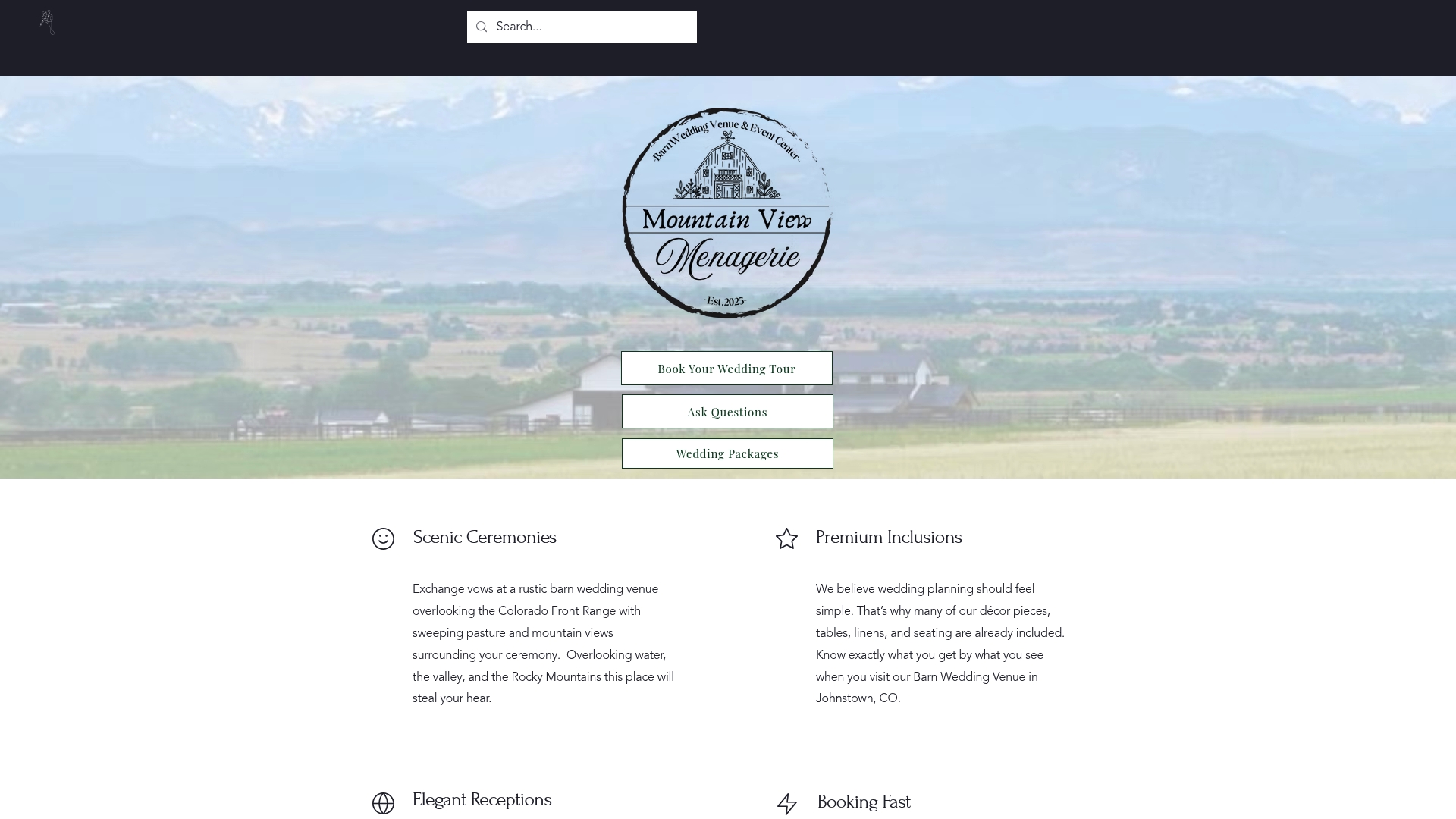
The barn and grounds offer space for vendors to set down gear and take a proper break between coverage, which matters on a wedding day that often runs eight hours or more. If you are weighing venues for a wedding in the area, we invite you to:
Browse our wedding packages to see what is included.
Schedule a tour to walk the barn, grounds, and vendor spaces in person.
Ask about our preferred vendor list when you book your date.
FAQ
What is a vendor meal?
A vendor meal is a meal provided to a wedding vendor, such as a photographer, planner, or DJ, who works through a significant portion of your wedding day. It is typically served separately from guest meals, often in a designated vendor area, and is included as a standard part of event planning etiquette.
Do you have to pay for vendor meals at a wedding?
Yes, couples are generally expected to cover meals for vendors working the majority of the wedding day, especially when their shift overlaps dinner. Many vendor contracts include a required meal clause, so check your individual agreements for specifics.
Who typically gets a vendor meal at a wedding?
Vendors who work long hours through dinner service, including photographers, videographers, planners, and DJs or band members, typically receive a meal. Vendors who finish before the reception, such as a hair and makeup artist who leaves after getting-ready photos, usually do not need one.
Who pays for the dinner the night before the wedding?
This question refers to the rehearsal dinner, which is a separate event from vendor meals on the wedding day itself.
Sources
Recommended
Comments