
Decide on a Preferred Wedding Vendor List at Mountain View Menagerie

A preferred vendor list is a venue or planner’s recommended roster of vetted professionals. It’s a suggestion, not a requirement, and it exists to make your planning easier, not to box you in. Your next move is simple: read your contract closely and ask the venue how that list was put together.
TL;DR:
Vendors on preferred lists are usually chosen based on consistent quality and familiarity with the venue, but not all are required or pay for placement.
Contracts may include language indicating exclusivity or fees for outside vendors, which influence your flexibility and costs.
Most preferred vendor lists focus on categories like photographers, caterers, florists, and musicians, with niche vendors typically not included.
Confirm whether outside vendors require insurance, fees, or site walkthroughs, and ensure their contracts include cancellation and scope details.
The best approach involves researching vendor portfolios, asking for references, and verifying how well they align with your priorities and budget.
What’s the difference between a preferred and an approved vendor list?
The words sound similar, but the fine print behind them can change your whole planning experience. A preferred vendor list is a roster of vetted vendors a venue or planner recommends because they’ve worked well together before. An approved vendor list is a stricter version of the same idea: it may require you to hire only vendors from that list, with little or no flexibility to bring in outside help.
That distinction usually shows up in the contract language, not in a casual conversation with your venue coordinator. Before you sign anything, look for a few telltale phrases:
“Exclusive vendor” or “must use” language, which signals an approved list rather than a preferred one.
“Outside vendor fee,” a charge some venues apply when you hire someone off their list.
“Proof of insurance required,” meaning any vendor you bring in, listed or not, needs to show coverage.
“Subject to venue approval,” which means even outside vendors need a green light before your date.
None of these terms are red flags on their own. They’re simply the details that tell you how much freedom you actually have. A rustic barn venue and a downtown hotel ballroom might use nearly identical language, but the practical impact on your planning can differ quite a bit depending on how the clause is written. Reading the vendor section of your contract as carefully as you’d read the payment schedule saves you from surprises later.
Weighing the benefits and drawbacks of a vendor roster
A well-curated list can feel like a shortcut through one of the most time-consuming parts of wedding planning. Vendors on the list have typically worked the venue before, which means they already know the layout, the lighting at golden hour, and the quirks of the space that might trip up someone unfamiliar with it.
The upside is real:
Vetted experience, since these vendors have a track record with the venue rather than an unknown quantity.
Smoother logistics, because a florist or caterer who’s set up there before won’t need a walk-through to understand the flow of the day.
Familiarity with venue rules, from load-in times to where the getaway car can park.
The downside deserves equal attention. A preferred list can narrow your choices to a handful of names when you might have wanted to explore ten. And some vendor arrangements involve referral fees or repeat placement that have nothing to do with quality, which means a name on the list isn’t automatically the best fit for your taste or budget.
Pro Tip: Ask the venue directly whether any vendor pays for placement on the list. A transparent answer is a good sign; a dodge is worth noting.
Which vendor categories usually make the list
Most preferred vendor lists cluster around the roles that make the biggest visible difference on the wedding day. Knowing what’s typically included helps you focus your research where it matters most.
Photographers and videographers, who capture the moments you’ll revisit for decades.
Caterers, especially at venues with kitchen restrictions or preferred food service partners.
Florists, who often know the venue’s natural backdrop well enough to design around it.
DJs or live musicians, familiar with the venue’s sound setup and any noise guidelines.
Rental companies, supplying anything from linens to specialty seating.
Officiants, coordinators, and bartenders, rounding out the day-of team.
A rustic barn venue’s list will naturally lean toward vendors experienced with that kind of setting, think florists who work well with wood and greenery, or photographers who know how to use natural light streaming through barn doors. Specialty services like calligraphers, favor designers, or destination-specific hair and makeup artists tend to sit off-list simply because they’re niche enough that most venues don’t maintain relationships with them.
How vendors earn a spot and where conflicts can creep in
Vendors don’t land on a preferred list by accident. Most venues and planners build these rosters over time, based on repeat positive experiences, references from past couples, and a track record of showing up prepared and professional. Proof of liability insurance and a signed service contract are typical baseline requirements before anyone makes the cut.
That vetting process is where trust is earned, but it’s also where conflicts of interest can quietly appear:
A vendor who pays a referral fee for every booking that comes through the venue.
A list that hasn’t changed in years, which might mean either consistent excellence or a lack of fresh competition.
Vague answers when you ask how long the venue has worked with a specific vendor.
Transparency is the antidote to all of this. A venue confident in its vendor relationships will happily explain how the list was compiled and won’t flinch if you ask whether placement involves any payment. If you get evasive answers, treat that as useful information rather than a dealbreaker, and keep asking questions until you’re comfortable.
Bringing in an outside vendor: what to check first
Choosing a vendor who isn’t on the preferred list is often possible, but it usually comes with paperwork. Most venues that allow outside vendors ask for a certificate of insurance naming the venue as an additional insured party, along with proof of any required licensing. Some also require a site walk-through before the wedding day so the vendor understands load-in routes, power access, and setup timing.
More than eight in ten couples now describe prioritizing celebration and connection as central to their wedding vision, a reminder that the vendors you choose should serve your day, not just fit a list. That framing matters when you’re deciding whether an outside vendor is worth the extra paperwork.
A few things to verify before you commit to any vendor, listed or not:
Whether the venue charges an outside-vendor fee and how much.
What proof of insurance is required and by what deadline.
Whether a site walk-through is mandatory or optional.
The vendor’s own contract terms, especially around cancellation.
Speaking of contracts, every wedding vendor agreement should spell out a handful of essentials regardless of whether the vendor came from a preferred list or not. Look for a clear cancellation policy that explains what happens if either party needs to back out, a defined scope of deliverables so there’s no ambiguity about what you’re paying for, a payment schedule with specific due dates, and liability or indemnity language that protects both you and the vendor if something goes wrong on the day. A vendor who resists putting these terms in writing, preferred or not, is one to reconsider.
Building your checklist to evaluate any preferred vendor
Once you have the list in hand, the real work is comparing names against your own priorities rather than assuming every recommendation is automatically right for you. A simple framework keeps that comparison honest.
Review sample work or a full portfolio, not just the handful of images on a venue’s website.
Ask for two or three references from couples who booked in the last year or two.
Note how quickly the vendor responds to your first inquiry, since that often predicts how communicative they’ll be closer to your date.
Read the contract for clarity around scope, payment, and cancellation before you sign anything.
Ask what happens if the vendor becomes unavailable: is there a backup plan or a named substitute?
Compare pricing transparency, since a vendor who itemizes costs clearly is easier to budget around than one who quotes a vague package rate.
When you talk to the venue about the vendors on their list, don’t hesitate to ask specific questions: how long have they worked with this photographer or caterer, can they share an example of a recent event that used this vendor, and have there ever been complaints worth mentioning? A venue that answers these questions candidly is doing you a favor.
Pro Tip: Ask each vendor for one recent example of a wedding they handled that didn’t go exactly to plan, and how they fixed it. The answer tells you more than any polished portfolio.
Budget alignment matters here too. The Knot’s 2025 Real Weddings Study found that couples hire an average of 14 vendors, with venue, photographer, and catering ranking among the top priorities. Since those three categories tend to absorb the largest share of most budgets, it makes sense to vet them first and treat smaller specialty vendors, like a calligrapher or a favor designer, as lower-stakes decisions you can make later. If you’re weighing dietary accommodations with a caterer, a resource like gluten-free catering options is a good example of the kind of specific question worth asking any caterer, listed or not.
How Mountain View Menagerie approaches recommended vendors
Mountain View Menagerie is a family-owned barn wedding venue in Johnstown, Colorado, set against sweeping views of the Rocky Mountains. Couples booking here have access to wedding packages and a recommended vendor list built around the venue’s rustic charm and country setting.
Because the venue hosts only one wedding per day, the vendors on its recommended roster tend to be familiar with the property’s layout, its natural light, and the particular rhythm of a barn celebration surrounded by rolling fields. That kind of alignment between vendor and venue is a natural benefit of any preferred list, though it’s still worth doing your own homework:
Ask for the recommended vendor list during your tour and review it at your own pace.
Read your venue contract for any language about outside vendors, insurance, or fees.
Confirm which categories—photography, catering, florals—are covered on the list versus which you’ll need to source yourself.
If mountain scenery is part of your vision, it’s worth browsing this example of wedding photography taken on the property to get a feel for how the landscape shows up in real images. From there, a tour is the best way to see the barn, the bridal suite, and the surrounding fields in person, and to ask any lingering questions about the vendor roster before you commit.
Common misunderstandings couples run into
A lot of confusion around preferred vendor lists comes from assuming the words “preferred” and “required” mean the same thing. They don’t. A preferred list is a recommendation, and unless your contract specifically states otherwise, you generally retain the right to bring in someone else.
Another common mix-up is assuming every vendor on a list pays for placement. Some do, through referral arrangements, but many earn their spot purely through a strong track record with the venue. The only way to know which is true is to ask directly.
Couples also sometimes assume a shorter list means fewer options, when in reality it often means the venue has been selective rather than lazy about who they recommend. And a few couples worry that asking questions about the vetting process will seem pushy. It won’t. A venue that values transparency will welcome the conversation, and if it doesn’t, that tells you something too.
How a vendor earns a spot on the recommended roster
Most vendors don’t ask to be added to a preferred list. They earn the spot through a pattern of reliable work: showing up on time, delivering what they promised, and leaving both the couple and the venue satisfied enough to want to work together again.
Venues typically look for a few concrete signals before adding anyone to their roster. A vendor needs a track record of successful events at similar venues, current proof of liability insurance, and a signed contract template that protects both sides. Some venues also ask for references from recent clients or from the venue’s own event staff, who see firsthand how a vendor handles setup, timing, and last-minute changes.

Once a vendor clears that bar, staying on the list usually depends on consistency. A single bad experience rarely gets someone removed, but a pattern of complaints or missed details will. That ongoing accountability is part of what makes a well-maintained preferred list worth paying attention to in the first place.
Ready to see the venue that inspired this guide?
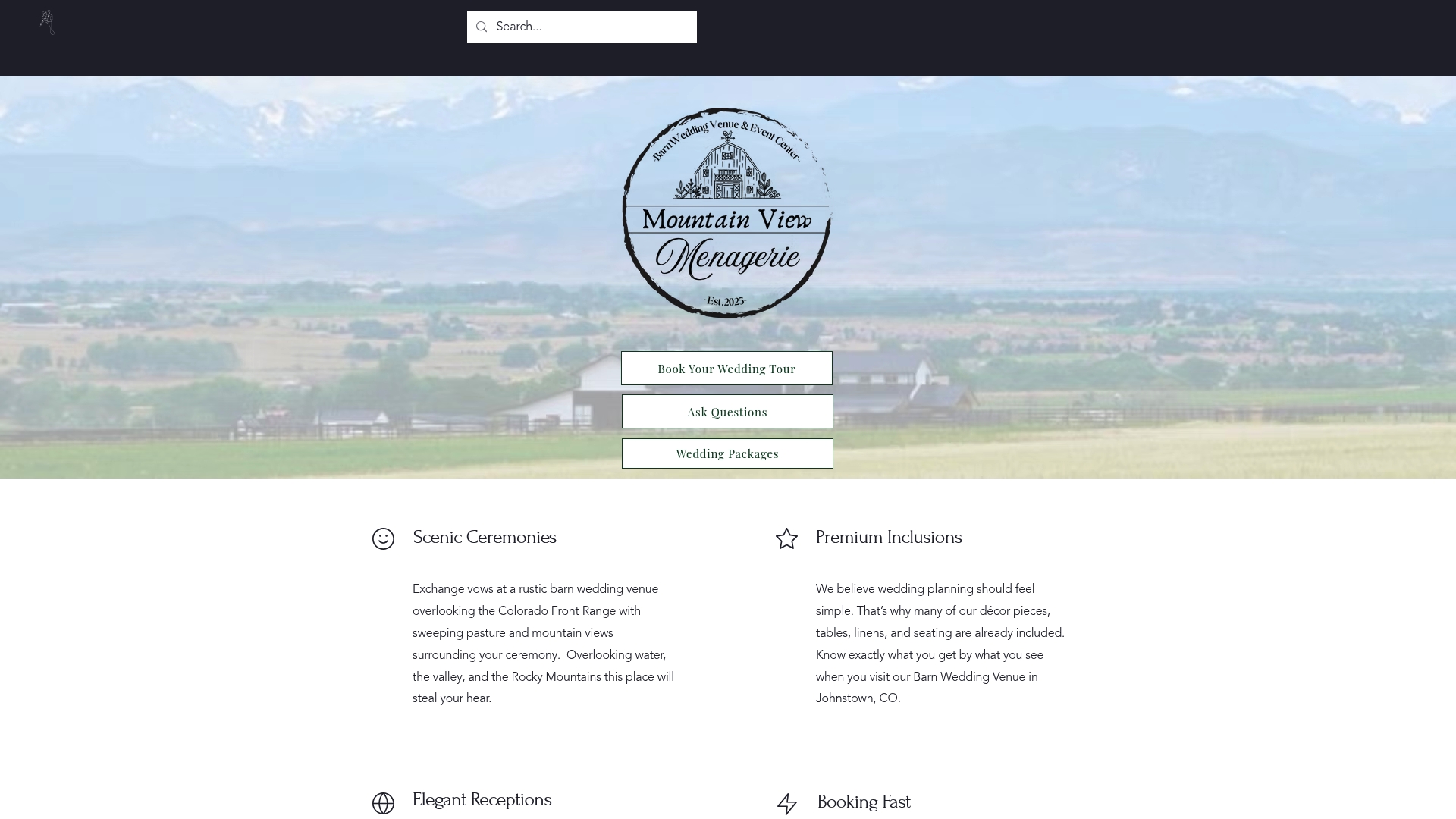
If you’re picturing a candlelit wedding under barn rafters with the Rockies as your backdrop, Mountain View Menagerie was built with exactly that vision in mind. Couples receive use of the property for the day, with tables, chairs, linens, and décor included to simplify planning.
Browse the Wedding Packages page to see what’s included and what add-ons, like the Beer Burro Experience, might round out your celebration.
Ask for the recommended vendor list during your tour so you can start conversations with photographers, caterers, and florists who already know the property.
Bring your questions about contracts, insurance, and outside vendors straight to the venue team while you’re there.
The best next step is simple: book your tour and walk the barn, the fields, and the bridal suite in person before you decide.
Sources
FAQ
What does “preferred vendor” mean in a wedding?
A preferred vendor is a professional a venue or planner recommends based on past experience working together. It’s a suggestion rather than a rule, so you can typically still choose someone else unless your contract states otherwise.
What is the 50/20/30 rule for weddings?
Budget breakdowns vary by couple and region, so it’s more useful to align your spending with your own priorities than to follow one fixed formula.
What are the most important vendors for a wedding?
Venue, photography, and catering tend to take up the largest share of attention and budget for most couples. The Knot’s 2025 study found that couples hire an average of 14 vendors total, with those three categories ranking among the top priorities.
Is a modest budget reasonable for a wedding?
What counts as reasonable depends heavily on your region, guest count, and priorities, so there’s no single dollar figure that fits every couple. A clearer approach is to decide your priorities first, then build a budget around what matters most to you.
Can I always hire a vendor who isn’t on the preferred list?
In most cases, yes, though it often requires proof of insurance and sometimes an added fee, depending on the venue’s contract terms. Always confirm the specific requirements with your venue directly before booking an outside vendor.
Recommended
Comments